


COMIDA: Where Social and Environmental Justice Meet
Community of Ideas and Actions for Social and Environmental Justice
The Community of Ideas and Actions for Social and Environmental Justice, shortened to the snappy title “COMIDA”, was launched in 2023 by ATD Fourth World’s International Leadership Team.
The theme of social and environmental justice is not new to ATD Fourth World: in 1989, founder Joseph Wresinski spoke of the right of people living in persistent poverty to “inhabit the earth”. And when invited to speak at an event marking the International Year of Shelter for the Homeless in Berlin in 1987, he said that those present “[m]ust urgently establish a programme that builds solid homes, where the environment will allow people to live in peace among neighbours, where schools will be spacious and beautiful, where professional training will be oriented towards the skills for tomorrow, [and] where families will organize in production cooperatives.”1
Since then, the programming priorities and mandates of ATD Fourth World’s International Leadership Teams have included objectives around social and environmental justice. In November 2022, this led to a gathering in Mirantão, Brazil, where people from Africa, Europe, and Latin America assembled to discuss the impact of the climate crisis on communities facing extreme poverty. They wanted to gain a better understanding of the intrinsic relationship between people’s lives and the life of the planet. Participants had several ideas on how to continue their work, and this gave rise to the COMIDA.
Why create a community that links social and environmental justice together?
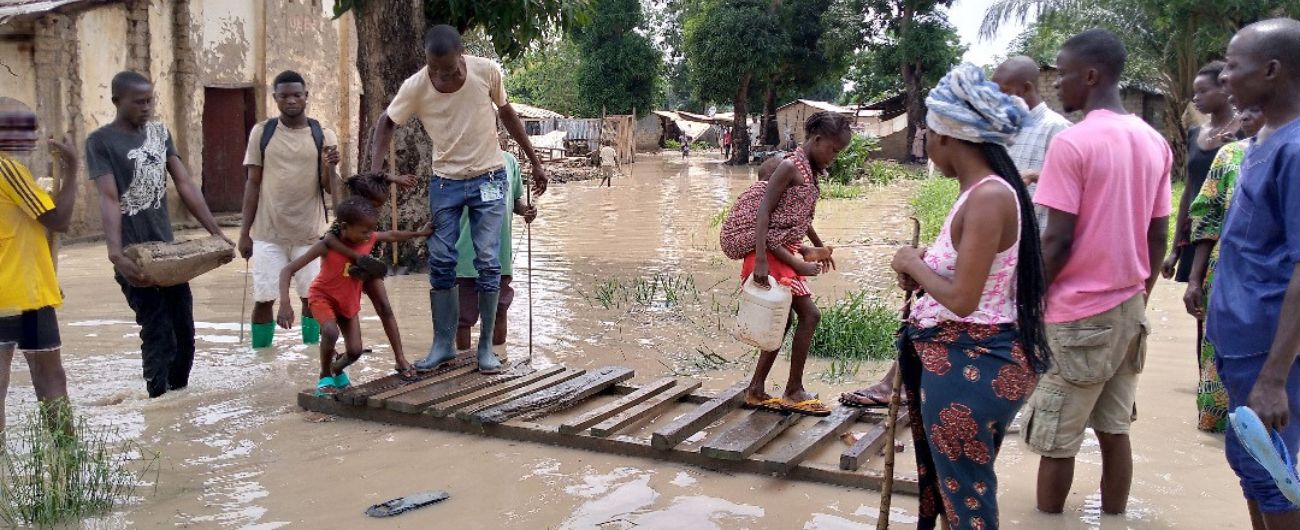
Areas that are striving to eradicate extreme poverty face deep social and environmental injustices. Many difficulties people face today are linked to air pollution, heatwaves, droughts and floods, land that is collapsing or no longer productive, food insecurity and lack of access to nutritious food, and substandard housing… Environmental injustices affect how we live, and social injustices have an impact on our environment: these two injustices are intrinsically linked.
Therefore, the COMIDA’s vision is of a strong and sustainable community, transformed through the sharing of knowledge and practices by people who have experienced poverty and exclusion. The COMIDA works towards social and environmental justice in order to build a world where all people can live in dignity.
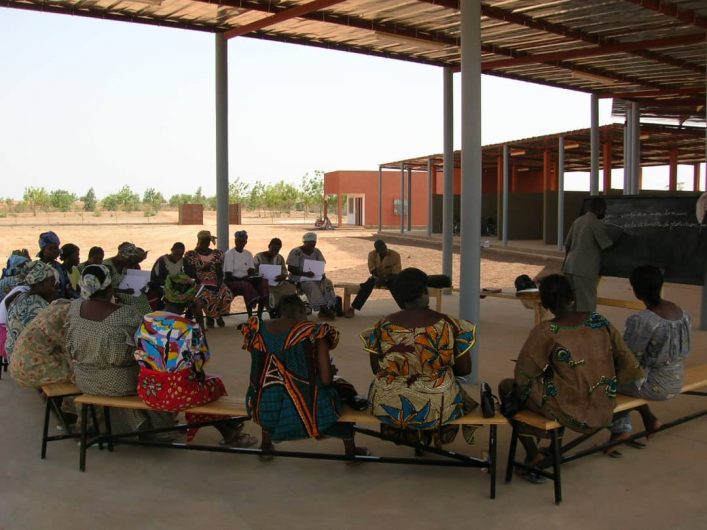
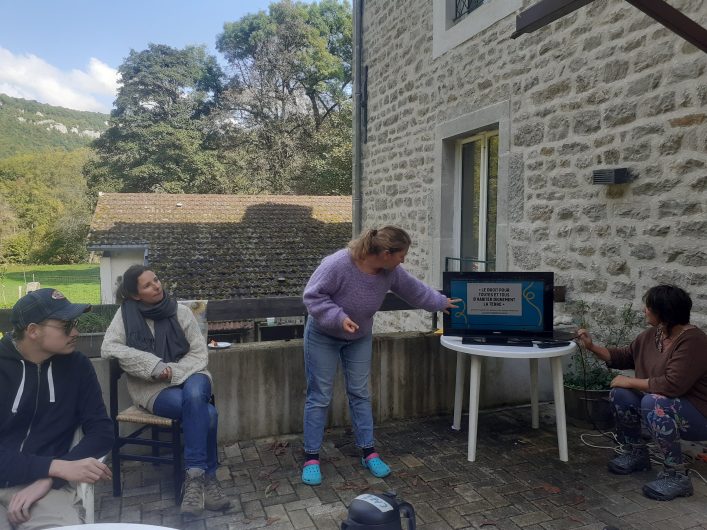
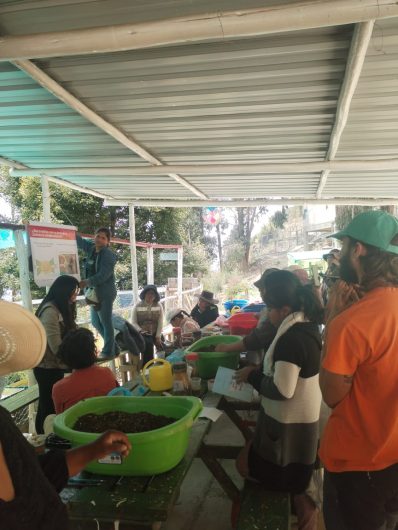
COMIDA members
The COMIDA aims to bring people together from around the world, including both ATD Fourth World members and others outside the organization, to share ideas and initiatives that work towards social and environmental justice. A lead facilitation team — made up of six people from Africa, Europe, and Latin America — was named by the International Leadership Team, and the facilitation team quickly began work by putting out a call-to-action to groups and ATD Fourth World teams across the globe.
The COMIDA currently consists of twenty groups from Bolivia, Brazil, Burkina Faso, Burundi, the Central African Republic, the Democratic Republic of the Congo, France, Haiti, Peru, the Philippines, Rwanda, Senegal and Tanzania.
The COMIDA’s aim is to strengthen social and environmental justice in communities affected by extreme poverty by building a platform to facilitate collective engagement, dialogue and learning, thereby strengthening community actions towards social and environmental justice. This will allow COMIDA members to learn from each other, reinforcing their local work, and giving them a firm understanding of how social and environmental justice are interdependent and mutually constitutive. The COMIDA will also work to reduce the isolation of people facing extreme poverty by bringing them together in an international peer network.
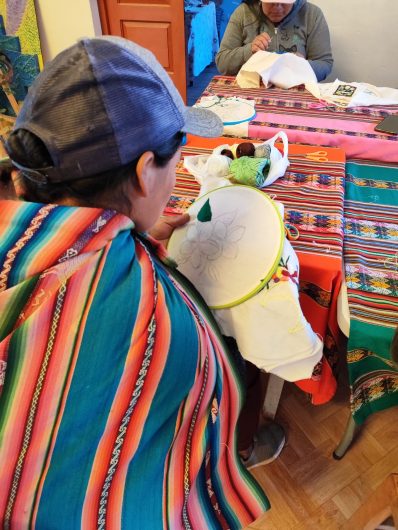
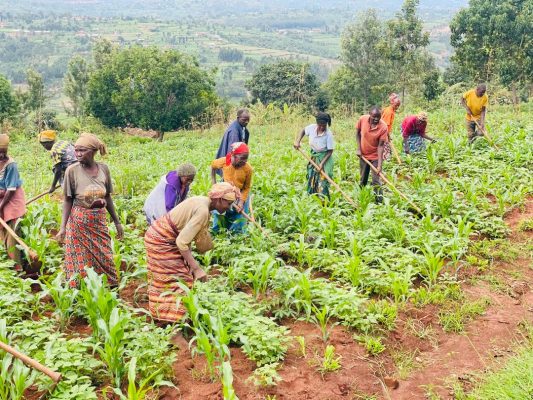
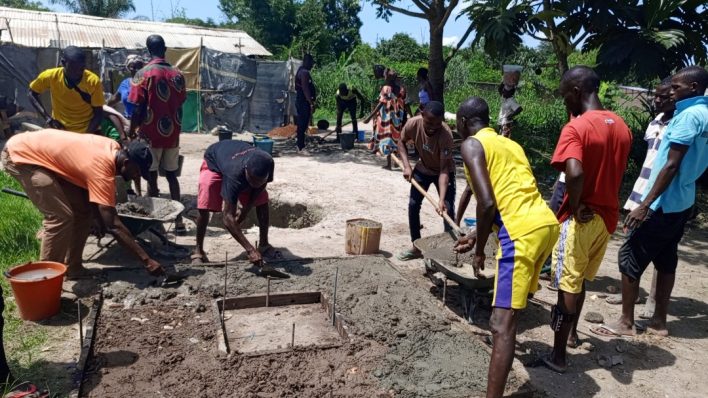
Group introductions
Currently, groups are in the process of introducing themselves. This helps them to identify as COMIDA members, see themselves as dedicated to social and environmental justice, and learn about others in the COMIDA.
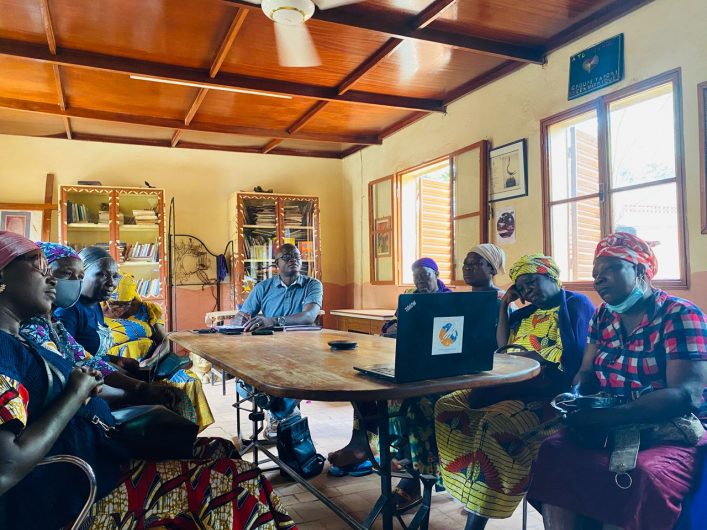
The facilitation team helps groups prepare for introductions via virtual meetings. Inductions focus on the environments each group lives in, what challenges this brings, and the injustices they face. The meeting with the facilitation team is a key step in preparing to meet others, and these preparation meetings are recorded and archived. Groups then meet together virtually, with two to three groups meeting at a time.
Virtual meetings begin in May 2026. They are also an opportunity for groups to practice presenting themselves, who they are, and what they do, and ultimately help groups to better understand their identity and work, and to reflect on their approach and methods. It is also an opportunity to listen to what others are doing, learn from them, and be inspired. Virtual meetings are a precursor for group representatives to meet in person in Africa, Europe and Latin America at the end of 2026 or beginning of 2027.
Following this joint learning, an advocacy platform will be created with the aim of engaging policy makers dealing with social and environmental justice issues at the local, regional and international level. The platform also aims to empower COMIDA members with the confidence to take part in advocacy.
If you want to learn more about the work of the COMIDA, you can contact them at comida(point)sej(at)atd(dash)fourthworld(point)org.