
Jóvenes en la Naturaleza: Broadening Horizons and Building a Better World
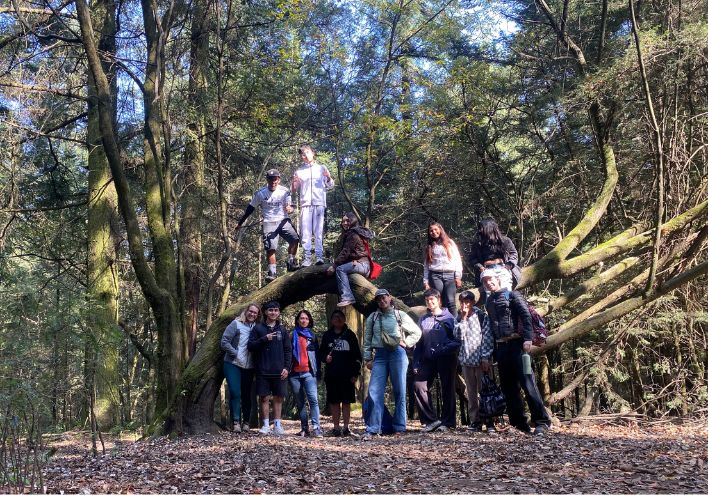
What happens when young people from different social backgrounds meet together to walk, think, learn, and explore the outdoors? In Mexico City, our new project Jóvenes en la Naturaleza (“Youth in Nature”) is showing that these experiences can build confidence, broaden horizons, and inspire young people to create change in the world around them.
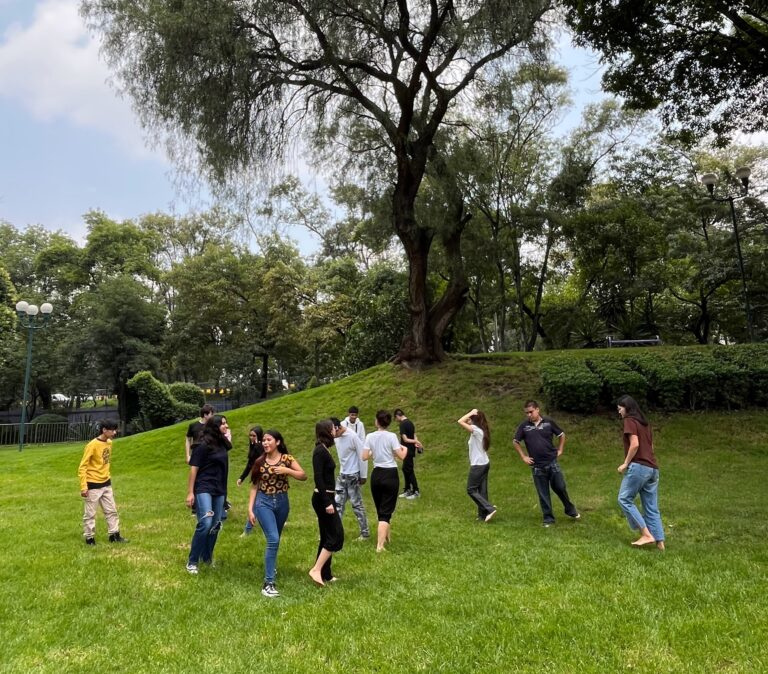
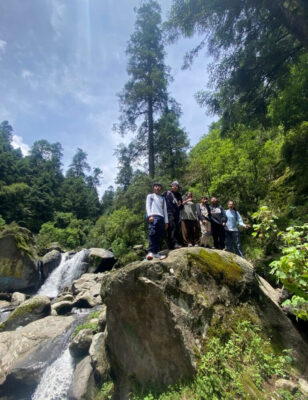
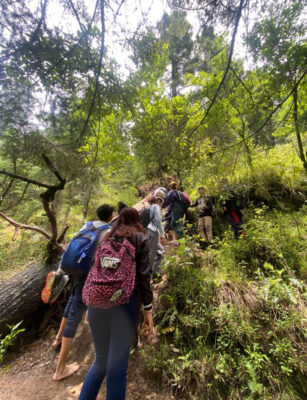
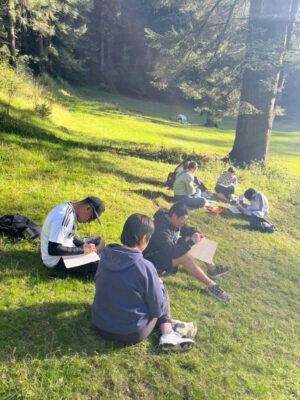
When some of our young people first stepped into the outdoors, they refused to sit on the ground, let alone take off their shoes and feel the grass beneath their feet. Dry leaves, stones, and mud felt strange, even uncomfortable. Yet, just a few months later, they were dipping their toes into the river, climbing trees, and spending more and more time in the forest.
While this change may seem small, it reveals something much bigger about Jóvenes en la Naturaleza. Launched in April 2026, this one-day-a-month youth camp brings together young people from a community deeply affected by poverty in Mexico City and young allies from other social backgrounds. Through these outings, participants have not only developed a new relationship with the outdoors, but have also gained new ways of understanding themselves and the world around them. Little by little, the project has shown us that young people can create change if they have the right connections, opportunities to learn, and the confidence to make their voices heard.
Thinking and learning together
Growing up, Carlos took part in his community’s Street Library. Now, he is one of the most enthusiastic participants in this new project, open to young people aged 13 to 20. He explains;
“On our outings, I’ve learned lots of important things: I can hike for longer without getting tired, I can climb tall things like mountains, and I’m not afraid to express myself anymore.”
What responsibilities do we have towards people who suffer injustice? What work goes into growing the fruit and vegetables that end up on our plates? How do our thoughts change when we spend time outdoors? These are just a few of the questions the young people explore during their outings.
Although the youth camp takes place in the outdoors, it is much more than an excursion program. Each outing creates space for participants to reflect on injustice, human rights, and the environment, while learning from their own experiences and from one another.
Max, another enthusiastic participant from the community, explains what happens when groups of young people come together to brainstorm: “If we work together, we will come up with more ideas than if we work by ourselves. But if the group is too big, some people get shy and hold back from fully expressing themselves. That’s why small groups are the best for thinking and coming up with ideas.”
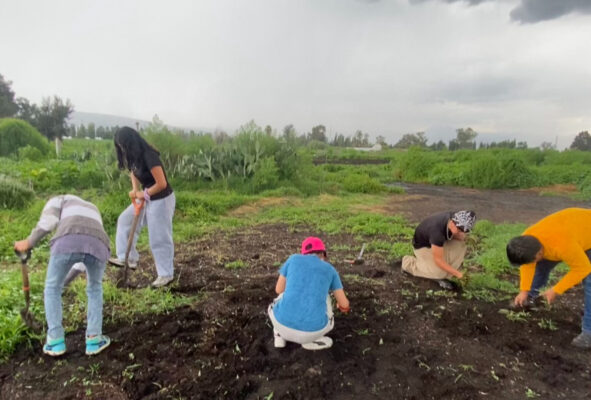
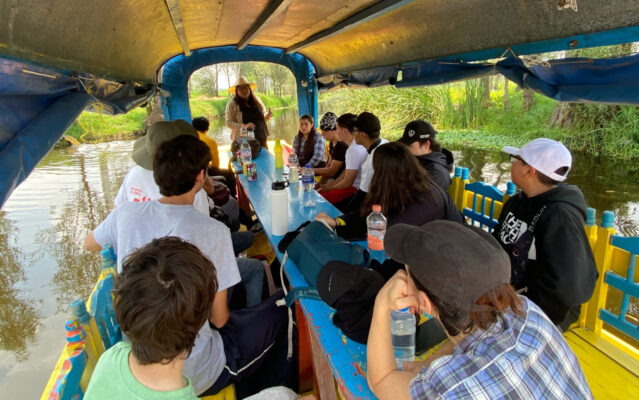
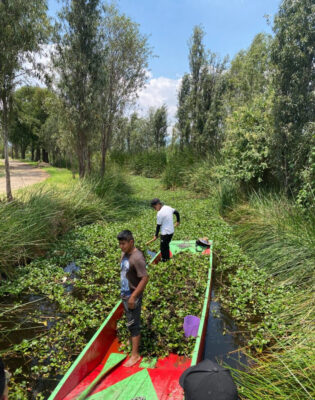
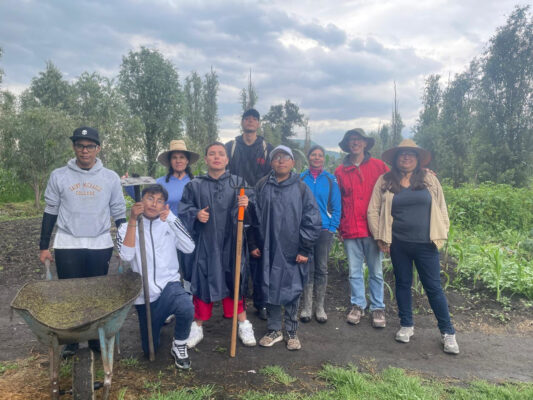
“We’ve learned by doing things, not just by writing,” Max adds. During a visit to the chinampas1 of San Pedro Tláhuac, PHOTOSthe young people learned about the traditional agricultural practice of building artificial islands on shallow, fertile lake beds. They then worked alongside local women to cultivate the soil.
His words capture the spirit of the project: Creating experiences that allow young people to discover and develop their interests, strengthen their critical thinking and self-confidence, and build friendships and support networks with their peers.
Broadening horizons and engaging with the world
“The project has helped me feel a bit freer,” explains Andrea, a young woman from the community with a deep intellectual curiosity. “I used to find it difficult to speak to people and express myself, but now I can say what I think and share my opinions.”
During another outing, Andrea suggested an idea to the group: “Something we could do as a group is offer to help the madres buscadoras.” She was referring to a group of women who search for their missing children and loved ones who have been “disappeared,” often left to carry out the search themselves in the absence of meaningful support or action from the authorities. Her suggestion encouraged the group to think about how they could respond to injustice and support people facing difficult circumstances.
In a world marked by uncertainty, violence, and environmental crisis, many young people — especially those growing up in extreme poverty — struggle to feel hopeful about the future. Alongside the educational and financial barriers they face, they are often reminded of what they cannot do and given few opportunities to discover what they can achieve.
Yet Jóvenes en la Naturaleza offers a different experience. By spending time together in the outdoors, young people have the opportunity to dream bigger, build confidence, and see themselves as people who can contribute to change. Andrea’s idea is one example of what can happen when young people are given the space to imagine possibilities.
One group, many backgrounds
In 2024, with the support of several adults, many young people from the community who had visited the Street Library as children came together to build a community library. A large group of young allies from different social backgrounds also joined the team of Street Library facilitators.
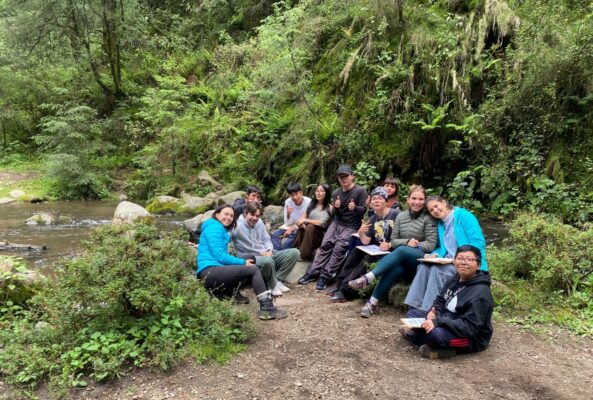
Jóvenes en la Naturaleza builds on this experience. Young allies and members of the community take part in the same groups, think together on equal terms, and work collectively towards building a better world.
“For me,” says Martina, an ally who is about to start university, “This project has a unique learning value.”
She explains: “It’s all about learning together and creating a space where everyone is equal and can express themselves freely. When we meet, we listen to each other, we aren’t scared of saying the wrong thing, we try not to be embarrassed, and we try to treat everyone in the group with dignity.”
“But it’s a process,” she continues. “It doesn’t just happen the first or second time; you have to be there and believe that it’s the right way to truly get to know each other, understand each other and build a fairer society together.”
Amidst extreme inequality and division between the rich and poor, creating these spaces matters. They are important not only for the development of young people, but for the development of society as a whole. What would our world be like if people from different walks of life could learn to think, decide, and build together?
A holistic approach: supporting the development of new skills
The project grew out of a simple idea: creating opportunities for young people to connect with one another and with nature can set in motion changes that might be difficult to achieve in other areas of their daily lives. “I’ve learned that we live in a big world, not a small one,” says Jonathan, a young person from the community.
Behind this insight lies a social reality that ATD Fourth World knows all too well. Communities living in poverty often lack not only material resources, but also strong social networks and opportunities to learn and develop. They are also repeatedly looked down upon and made to feel that their possibilities are limited. Together, these experiences can make it difficult to imagine a different future.
For these young people, being part of the project is not always easy. Some feel shy or afraid to participate; others spend their weekends working, helping their families, or catching up on schoolwork they couldn’t complete during the week. Choosing to dedicate an entire day to learning, reflecting, and spending time with others therefore requires a significant level of commitment, one that often goes unnoticed. That is why each outing is carefully planned to open doors to new opportunities for discovery, learning, and change.
“I love looking at the sky,” says Dallana, another participant. In Jóvenes en la Naturaleza, even looking at the sky becomes an opportunity to learn to dream bigger.
The team of coordinators — made up of three allies, Zoe, Laura, and Mateo, and Beatriz, a volunteer corps member — plans each outing around three cornerstones: exploring the natural environment, taking part in physical and theatrical activities, and creating space for reflection and dialogue.
“At first I felt too embarrassed to go barefoot, but in the end I enjoyed it. I always have to put my feet to work, but this was different,” says Lionel, another participant.
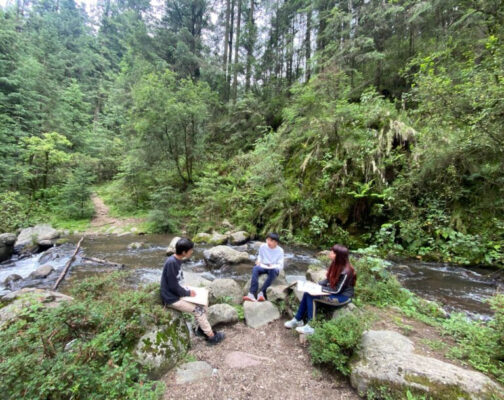
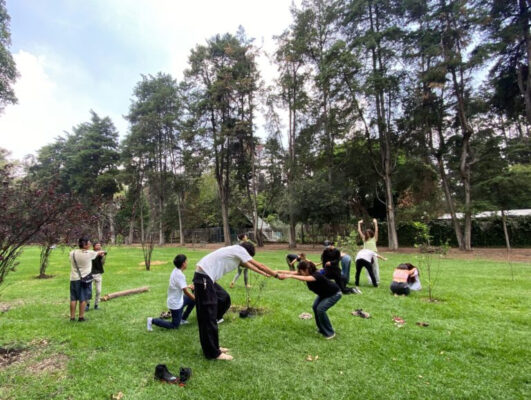
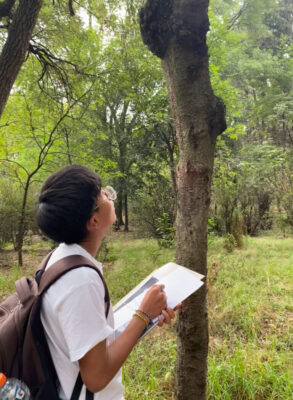
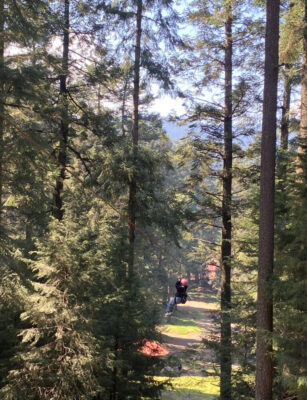
During their outings, the young people listen to the river, observe the trees, take in the natural beauty around them, and discover a rare opportunity to pause, observe, and be inspired. Through movement and theatrical activities, the body — often associated with fatigue, work, and survival for those living in poverty— becomes a space for play, expression, and discovery. Collective reflection gives participants the opportunity to put their experiences into words, listen to others, think critically, and deepen their understanding of themselves and the world around them. These are not isolated activities; together, they are designed to expand the horizons within which young people can think about themselves and their possibilities. This is particularly important during the formative period of life, when they are developing their identities and making decisions that can shape their futures.
Over time, the group becomes a space where each young person discovers that their voice matters, and that they can rely on and support one another.
Each outing is also documented in a shared activity log, where the young people record what they have experienced, learned, and thought about. In doing so, they learn that every experience has value and every story deserves to be told.
The next step: a three-day camp
Jóvenes en la Naturaleza demonstrates that when people have spaces where they are valued and can learn together, they can open doors for themselves and for others that once seemed impossible to unlock. This initiative supports our young people’s academic and personal development, while nurturing their desire and ability to engage in social change.
These transformative experiences are only possible because of a community that believes in a better way of learning, growing, and building societies together. If you share this conviction, we invite you to help us take the next step.
With your support, we can organize a three-day youth camp where the young people will continue learning together and designing new projects. Through this experience, they will deepen their commitment to building a fairer and more sustainable world.
Help us make the outdoor learning camp possible
Donate to help make this camp a reality. Together, we can continue opening doors for more young people living in poverty.
PayPal (credit card required only): bit.ly/JóvenesATDmex
Bank transfer: Actuemos Todos por la Dignidad Cuarto Mundo México ACBBVA México / CLABE: 012180001972246566
ATD Fourth World can issue a tax-deductible receipt to Mexican residents. To receive your receipt, send your tax status certificate to mexico(at)atd-cuartomundo(point)org.
A world without poverty is a better world for everyone. By donating, you can help build that world. Thank you for your support.