
Mothers Speak Out

Estimated reading time: 4 minutes
International Day for the Eradication of Poverty 2025 – Geneva
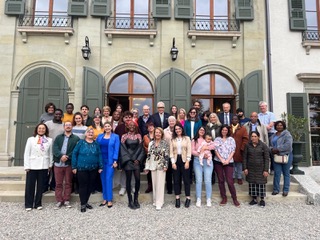
On October 17, during UN Peace Week in Geneva, ATD Fourth World and the NGO Committee on the Status of Women hosted the commemoration of the International Day for the Eradication of Poverty at the Centre d’Accueil de la Genève Internationale (CAGI). Ending poverty in all its forms is not only a global goal—it is a foundation for lasting peace.
This year, the 2025 theme—“Ending Social and Institutional Maltreatment”—guided our decision to focus on Ensuring Respect and Effective Support for Mothers. Their experiences, too often unheard, hold essential insights for shaping policies and practices that truly reduce poverty. If we want effective solutions, we must begin with lived experience.
The commemoration took place in a warm, welcoming setting overlooking the Alps. We opened with the UN Secretary-General’s message, read by Rolando Gomes of the UN Geneva Information Office, followed by a call to remember the millions of people who have lost their lives due to poverty. Participants then watched a short video from the Family Advocacy Project, which embodies this year’s theme.
What followed was the heart of the event: mothers stepping forward to speak out—courageously, honestly, and powerfully.
Sara*: “No one should be mistreated because they don’t know their rights.”
*a fictive name
Sara*attended with her baby and shared concrete recommendations to counter social and institutional maltreatment:
- “Access to information about individual rights must be simple and clear so that no one is mistreated by an uninformed or incompetent employee.”
- “Better oversight of how cases are handled could ensure everyone receives the same level of support.”
- “State assistance in the form of a salary for stay-at-home mothers would recognize their contribution and reduce stigma. Some Nordic countries already do this, and it works well.”
- “Families should receive in-home support before any consideration of placing children in care.”
Her testimony reminded everyone that dignity begins with accessible information and fair treatment.
A Mother of Six: “I have skills. I just need the right to work.”
Another mother shared the discrimination, violence, and restrictions she has endured throughout her life:
- Forced into marriage at a young age
- Repeated physical, verbal, and psychological abuse
- Losing day-to-day contact with two of her six children
- Living under the constant fear of family separation
- Being legally prevented from working due to her administrative status
“It is a great injustice,” she said. “I could support myself and my children. I have abilities. But I am not allowed to earn a living without owing something to the state.”
Her story highlighted how institutional barriers can trap families in poverty, even when individuals are ready and eager to build stability.
Mimi: “What helped me most was finally being listened to.”
Mimi, a grandmother, spoke about lifelong experiences of abuse—from childhood, through school, and even into professional settings. She also described the impact on her own children, who experienced similar misunderstandings and mistreatment at school.
She emphasized that institutional responses often overlook the simple yet transformative power of being heard:
“To put an end to mistreatment, you need someone you trust—someone who listens and offers guidance. When I met ATD Fourth World, I found a second family. That gave me confidence.”
Her words were a reminder that respectful listening is not optional—it is essential.
What These Voices Tell Us
These testimonies make one truth unmistakable:
Women—especially mothers living in poverty—face disproportionate structural violence, discriminatory norms, and institutional obstacles.
This includes:
- Higher poverty rates among women
- Heavy, unpaid care responsibilities
- Barriers to employment
- Social stigma rooted in gendered expectations
- Policies that sometimes harm more than they help
Yet every woman who spoke showed strength, resilience, and deep commitment to creating better futures. Mothers experiencing poverty are not passive recipients of aid—they are active agents of development and peace.
Their lived expertise must inform policy if we want systems that genuinely support families and break cycles of poverty.
A Closing Note of Hope
We ended the commemoration with a musical performance by two members of the October 17 Collective, Temyra and Gurkan, who shared an original rap echoing the themes of the day: dignity, courage, and the refusal to be silenced.
Their voices—and those of all the mothers who spoke—reminded us why this day matters.
Eradicating poverty begins with listening to those who live it, respecting their experience, and ensuring they are partners in shaping solutions.